Reduce Expensive First Class Seat Fees: Actionable Cost-Cutting Strategies
High-end air travel pricing structures have shifted significantly over the past decade. Airlines frequently decouple seat reservation costs, fuel surcharges, and regulatory departure taxes from base airfares. Consequently, travelers booking premium cabins face substantial out-of-pocket expenses even when redeeming award miles. Uncovering how to reduce expensive first class seat fees requires navigating these fragmented pricing mechanisms with precision.
Carriers utilize carrier-imposed surcharges to manage yield revenue across international routes. These fees, often listed as YQ or YR taxes on ticket breakdown audits, vary dramatically based on ticketing location, issuing carrier, and routing points. A single transpacific or transatlantic itinerary can incur fees ranging from nominal administrative charges to thousands of dollars per segment.
Addressing these costs requires an analytical approach to global distribution systems, partner award charts, and regional tax regulations. Travelers must look past published cabin prices to evaluate ancillary fee structures, currency conversions, and routing adjustments. This publication outlines structural methods to eliminate unnecessary surcharges while securing premium cabin travel.
Understanding “How to Reduce Expensive First Class Seat Fees”
Structural Composition of Premium Surcharges
Evaluating first class airfare components requires separating baseline ticket tariffs from ancillary additions. Airfare costs split into three distinct categories: base fare, government-mandated taxes, and carrier-imposed fees. Carrier fees represent discretionary revenue streams that airlines control directly.
Understanding how to reduce expensive first class seat fees involves targeting the carrier-imposed YQ/YR segment. Government taxes remain largely fixed, whereas carrier surcharges fluctuate according to partner routing rules, point of departure, and ticketing program rules.
Programmatic Discrepancies Across Alliances
Global airline alliances do not standardize carrier surcharges across member programs. The same physical aircraft seat can carry drastically different fees depending on which loyalty program issues the ticket.
Selecting partner programs that legally mandate the absorption or waiving of YQ/YR surcharges eliminates the largest portion of cash fees on award bookings.
Misunderstandings Regarding Fuel Surcharges
A common misconception is assuming fuel surcharges directly reflect fluctuating oil prices. In modern revenue management systems, fuel surcharges act as yield management tools that allow airlines to extract cash revenue from award redemptions and corporate discount contracts.
Subheading: Navigating Jurisdictional Fee Restrictions
Certain international jurisdictions prohibit or strictly cap carrier-imposed fuel surcharges on flights originating within their borders. Departing from countries with strict consumer protection laws automatically lowers ancillary seat costs regardless of the ticketing carrier used.
Deep Contextual Background: The Architecture of Airline Fees
Historical Evolution of Ancillary Revenues
Prior to the deregulatory shifts and financial reorganizations of the late 20th century, international airfare pricing remained bundled. Base fares covered seat allocation, baggage, onboard service, and routing changes. The introduction of online booking channels and global distribution systems incentivized airlines to unbundle services, creating separate fee channels for seat selection, premium upgrades, and ticket processing.
During periods of high oil price volatility in the early 2000s, carriers introduced fuel surcharges as temporary measures to offset operating costs without altering published base fares. As fuel prices stabilized, airlines retained these surcharges as permanent fixtures within global distribution databases.
This structural separation allowed legacy carriers to advertise lower base fares while maintaining total cash yields through non-commissionable fee adjustments.
Revenue Management and Yield Unbundling
Modern revenue management systems use complex algorithms to segment passenger willingness to pay. Premium cabins, including first class and international suites, generate a significant portion of long-haul profitability. By applying high seat assignment fees and carrier surcharges, revenue managers capture extra margin from corporate accounts and high-yield cash travelers.
The Role of Global Distribution Systems
Global Distribution Systems (GDS) encode ticket rules through specific tax codes. Carrier-imposed fees typically register under YQ or YR designators. Partner programs query these GDS fields during ticket processing. Programs that do not pass through YQ/YR codes absorb these costs internally, protecting passengers from unexpected out-of-pocket charges.
Conceptual Frameworks and Mental Models
The Fee-Absorption Matrix
The fee-absorption framework evaluates whether a loyalty program passes carrier surcharges directly to the consumer or absorbs them as part of the booking transaction.
Evaluating programs through this matrix enables travelers to route bookings through intermediaries that absorb YQ/YR codes.
The Origin-Jurisdiction Rule
The origin-jurisdiction mental model prioritizes the country of initial departure over the final destination. Because local aviation authorities govern ticket terms originating within their airspace, starting an itinerary in a fee-capped country applies those protective regulations to the entire outbound ticket.
The Split-Ticket Routing Topology
When direct premium bookings trigger excessive fees, breaking the journey into separate ticket stock isolates high-fee segments. Passengers pair low-cost positioning flights with award tickets issued in low-surcharge zones, reducing total out-of-pocket expenses.
Key Categories and Variations of First Class Surcharges
Subheading: Evaluating Award Program Trade-offs
Selecting an award program requires balancing mileage redemption rates against cash fee requirements. Programs with low mileage requirements often impose high carrier surcharges, while programs with higher mileage requirements may eliminate cash fees entirely.
Detailed Real-World Scenarios
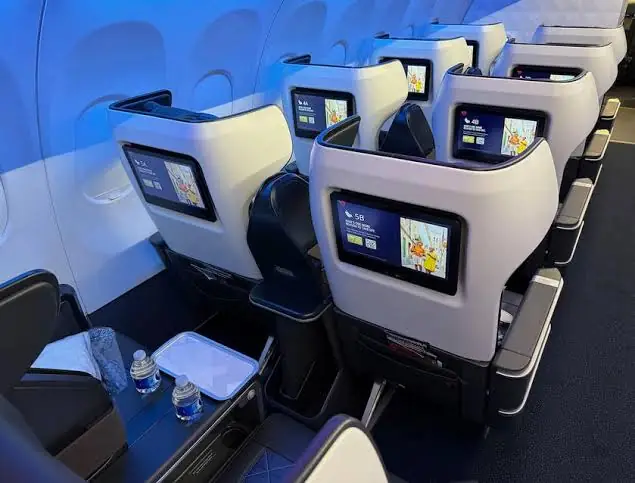
Scenario 1: Transatlantic First Class on European Carriers
A traveler seeks to book a first class flight from Europe to North America. Booking directly through the operating carrier’s program results in over $850 in cash surcharges per direction alongside the required miles.
To mitigate these charges, the traveler issues the award ticket through a partner program that absorbs YQ/YR surcharges. By switching the issuing program while keeping the operating carrier identical, out-of-pocket cash fees drop to standard government taxes, saving hundreds of dollars per ticket.
Scenario 2: Avoiding Outbound United Kingdom Air Passenger Duty
Departing from London Heathrow in a premium cabin incurs the UK Air Passenger Duty (APD), one of the highest aviation taxes globally. For a first class seat, this tax adds a steep cash burden to the ticket total.
The traveler structures an itinerary originating in a nearby continental European city (such as Amsterdam or Dublin) with a short connection in London. Because the journey originates outside the UK on a single ticket, the long-haul segment avoids the premium APD rate.
Scenario 3: Utilizing Jurisdiction-Capped Origins
A traveler plans a multi-city global trip including South America. Booking a long-haul first class departure from a standard international hub triggers significant YQ fees.
By structuring the long-haul international segment to originate in Brazil, national aviation regulations (ANAC) prohibit the operating airline from levying carrier fuel surcharges. The total cash required for the ticket drops strictly to nominal airport facility charges.
Planning, Cost, and Resource Dynamics
Direct, Indirect, and Opportunity Costs
Minimizing premium seat fees involves analyzing financial trade-offs. Transferring flexible points to a program that charges zero surcharges may require a higher total point balance compared to a program that imposes high cash fees.
Subheading: Managing Points Flexibility and Cash Capital
Maintaining points in transferable currencies provides the flexibility needed to select low-fee programs. Uncommitted banking points allow travelers to shift capital to the program offering the lowest cash surcharges at the time of booking.
Tools, Strategies, and Support Systems
Advanced Itinerary and Matrix Search Engines
-
ITA Matrix: Provides detailed line-item breakdowns of tax designators, isolating YQ and YR codes prior to booking.
-
ExpertFlyer: Enables users to check fare construction rules and verify fee waivers on specific flight segments.
-
Seats.aero: Scans multiple partner programs to identify award space across low-surcharge booking channels.
-
Point.me: Compares total out-of-pocket cash requirements across diverse loyalty programs for identical routes.
Strategic Use of Positioning Flights
Using low-cost positioning flights allows travelers to start itineraries in low-fee jurisdictions or low-tax airports. When utilizing separate tickets, build generous connection windows to prevent missed connections caused by operational delays.
Risk Landscape and Failure Modes
Unintended Tax Triggering on Unbundled Itineraries
Misconfiguring connecting flights on separate tickets can inadvertently trigger local departure taxes. If a connection exceeds 24 hours, the local aviation authority classifies the layover as a stopover, applying full local departure taxes and facility fees.
Partner Booking Discrepancies and Inventory Drops
Attempting to avoid fees by switching to a partner program can carry operational risks. Certain partner programs may experience phantom availability or lack access to premium inventory that the operating carrier reserves for its own loyalty members.
Governance, Maintenance, and Long-Term Adaptation
Maintaining a Pre-Ticketing Audit Checklist
Applying systematic verification steps before executing point transfers prevents costly booking errors:
Measurement, Tracking, and Evaluation
Quantifying Fee-Reduction Efficiency
To measure fee-reduction effectiveness, compare out-of-pocket cash expenses against standard published cash fares. Subtracting non-waivable government taxes isolates the unnecessary carrier surcharges saved through strategic routing.
Sustaining a high fee-reduction percentage ensures that mileage redemptions preserve cash capital.
Tracking Historical Surcharge Changes
Carriers adjust YQ/YR fees periodically throughout the year. Maintaining a record of surcharge levels across key routes helps identify seasonal trends and programmatic changes.
Common Misconceptions and Oversimplifications
Myth 1: First Class Award Tickets Are Always Free Beyond Miles
A common myth is that redeeming miles covers the entirety of a first class seat. In reality, carrier surcharges and international departure taxes can add hundreds or thousands of dollars in out-of-pocket expenses if the booking program passes through YQ/YR charges.
Myth 2: Fuel Surcharges Are Tied Directly to Oil Prices
Carriers maintain fuel surcharges at set levels even when global oil prices decline. Surcharges function as flexible revenue channels rather than direct operational cost adjustments.
Subheading: Addressing Common Misconceptions in Practice
Myth 3: Government Taxes Can Be Fully Waived
While carrier-imposed fees can be eliminated through strategic partner selection, mandatory government taxes—such as security fees and customs inspections—cannot be waived. Understanding how to reduce expensive first class seat fees focuses on eliminating unnecessary carrier surcharges while accepting legitimate regulatory taxes.
Ethical, Practical, and Contextual Considerations
Optimizing ticket topologies requires adhering to carrier terms of service and ticketing rules. Practices such as hidden-city ticketing or intentional segment abandonment can violate contract of carriage agreements, risking account termination or loss of accrued miles. Focusing on legitimate partner program selection, jurisdictional protections, and routing optimization provides a sustainable framework for reducing travel costs cleanly.
Conclusion
Successfully reducing expensive first class seat fees requires a structured understanding of airline pricing mechanics, partner program rules, and international tax regulations. By isolating carrier-imposed YQ/YR codes and leveraging programs that absorb ancillary charges, travelers can minimize unnecessary cash outlays. Combining flexible point currencies with strategic routing transforms premium cabin redemptions into a cost-effective travel practice.