Controlling Premium Flight Expenses: Airfare Procurement Guide
Corporate travel departments and independent high-yield travelers face continuous inflation within commercial aviation pricing structures. Premium front-cabin seating represents an airline’s highest-margin asset class. Carriers deploy dynamic pricing algorithms designed to extract maximum capital from corporate buyers and affluent leisure travelers. Consequently, unmanaged airfare procurement rapidly consumes travel budgets, eroding overall return on investment across corporate and personal itineraries.
Managing high-yield airfare costs demands treating premium flight inventory as a dynamic financial commodity. Rather than accepting published retail tariffs, strategic travel planners evaluate fare construction mechanics, corporate contract levers, currency arbitrage opportunities, and loyalty program point valuations. Bypassing standard retail pricing mechanisms allows travelers to secure front-cabin access while keeping total financial outlays under strict control.
Developing a resilient procurement strategy requires analyzing how airlines segment corporate and leisure demand. By integrating structured mental models, auditing inventory bucket releases, and tracking acquisition performance over time, travel managers can build sustainable financial controls. This comprehensive guide outlines the methodologies, tools, and risk-mitigation frameworks necessary to control front-cabin expenditures across global flight networks.
Understanding “how to manage high first class airfare expenses”
Controlling front-cabin procurement costs begins with analyzing how airlines segment demand across their route networks. Carriers assign seat prices dynamically using complex yield management algorithms. These systems track historical booking curves, real-time demand signals, corporate travel budgets, and route-specific willingness-to-pay indicators. Learning how to manage high first class airfare expenses requires building structured procurement strategies that systematically bypass these profit-maximizing price filters.
A common analytical error involves assuming published first-class tariffs remain uniformly expensive across all booking channels. Discounted premium fare codes exist across almost every major international route. Airlines quietly release these lower-tier premium buckets to capture price-sensitive business and leisure travelers when corporate bookings lag behind forecasts.
Revenue Management Bucket Releases
Airline algorithms monitor cabin load factors continuously throughout the booking cycle. If premium seat sales fall below target benchmarks sixty to ninety days prior to departure, algorithms automatically open lower-priced premium fare buckets.
These inventory releases occur silently within global distribution platforms. Travelers who monitor fare bucket changes can lock in discounted first-class tariffs before remaining seats sell out at standard retail prices.
Point-of-Sale Pricing Differentials
Airlines price itineraries based on origin-and-destination demand rather than individual flight legs. Direct flights between major financial hubs command high price premiums because corporate buyers dominate those markets.
Initiating an itinerary from an adjacent secondary market often unlocks significantly lower premium tariffs. Carriers use these pricing variations to fill empty premium capacity across their broader network grids.
Contextual Background: The Evolution of Premium Yield Management
Historically, international first-class travel operated under standardized tariffs regulated by international civil aviation agreements. Fares remained fixed, and airlines competed primarily on service delivery, seat pitch, and dining presentations rather than price competition.
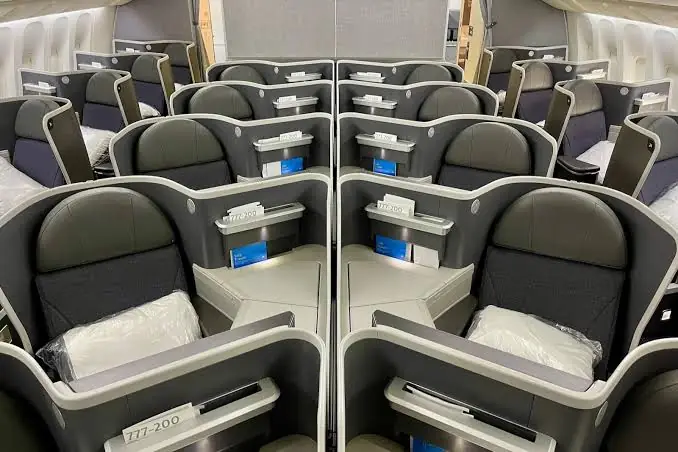
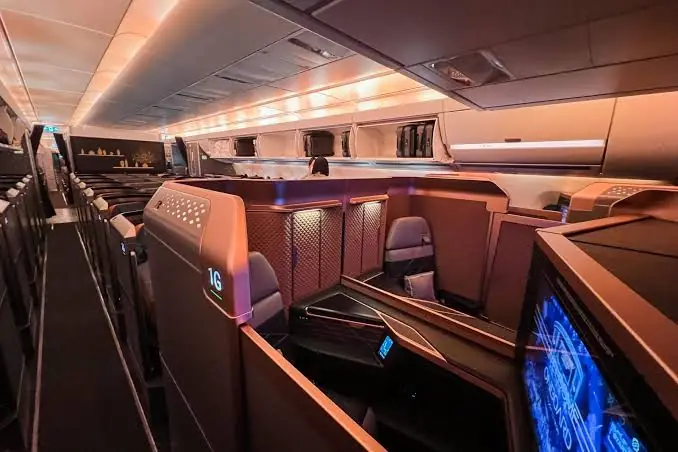
The deregulation of civil aviation altered this landscape permanently. Sophisticated computing platforms enabled carriers to implement real-time yield management systems. Premium cabins evolved from uniform luxury offerings into dynamically priced product tiers spanning regional recliners, lie-flat business suites, and enclosed flagship suites.
In the current environment, major network carriers aggressively monetize front-cabin capacity through advance discounts, point-redemption charts, and targeted upgrade offers. This operational shift turned front-cabin access into a dynamically priced financial asset.
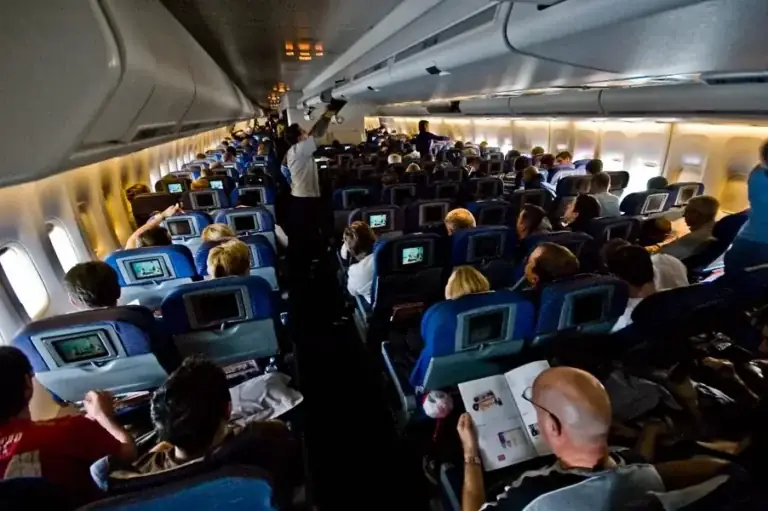
The expansion of premium economy cabins further altered international fare structures. Premium economy established a middle price tier between main cabin and business class, creating new upgrade ladders while altering baseline fare ratios across long-haul markets.
Unbundled Premium Fare Structures
Unbundled pricing models expanded into front-cabin travel tiers. Several global carriers now offer basic business-class fares that strip away lounge access, advance seat selection, and change flexibility.
This structural shift requires travel managers to evaluate total fare stacks rather than assessing base ticket costs in isolation.
Loyalty Currency Financialization
Frequent flyer programs transitioned into independent financial centers backed by credit card partnerships. Points and miles evolved into a recognized parallel currency market.
This commercialization created pricing disparities across partner networks. Travelers can frequently purchase premium cabin seats cheaper through point redemptions than direct cash channels.
Conceptual Frameworks and Mental Models for Cost Optimization
Applying structured mental models allows travel managers to evaluate premium cabin access objectively.
1. The Net Cents-Per-Mile (NCPM) Model
This model measures the true financial cost of acquiring premium cabin seats through hybrid cash-and-points strategies.
Calculating this metric enables direct comparisons between cash fares, point redemptions, and upgrade co-pays across competing airlines.
2. The Arbitrage Opportunity Threshold
This framework identifies price discrepancies caused by regional currency fluctuations, point-of-sale variations, and alliance chart imbalances.
An arbitrage opportunity exists whenever the cost of acquiring a seat via an indirect channel falls significantly below the direct retail cash fare.
3. The Hourly Comfort Value Model
Travelers evaluate the cost of an upgrade relative to actual flight duration. This model divides the net price difference between economy and first class by flight hours.
Establishing a maximum acceptable hourly rate prevents paying high premiums for short regional flights with limited service offerings.
Key Categories of Expense Management Mechanisms and Trade-offs
Controlling premium travel costs involves selecting among distinct procurement mechanisms. Each method carries specific financial, operational, and flexibility trade-offs.
| Mechanism Category | Primary Advantage | Primary Limitation | Optimal Application |
| Discounted Cash Fares (P/A/Z) | Confirmed seat; full mileage accrual | Advance purchase required; change fees | Scheduled leisure or business travel planned early |
| Point-of-Sale Arbitrage | Direct reduction in total cash fare | Foreign exchange volatility; positioning risks | International long-haul itineraries |
| Partner Program Redemptions | High point efficiency; low cash outlay | Restricted award seat availability | Flexible travel dates on partner carriers |
| Corporate Preferred Contracts | Fully refundable; flexible changes | Higher baseline cost than advance cash fares | High-volume corporate business travel |
| Targeted Cash Upgrades | Low incremental cost over economy | Unpredictable inventory availability | Solo travel during off-peak travel periods |
Cash Purchases Versus Point Arbitrage
Direct cash purchases in discounted fare classes provide immediate seat confirmation and complete itinerary control. However, paying published retail rates in strong currencies maximizes out-of-pocket expenditure.
Point arbitrage utilizes fixed redemption charts maintained by partner loyalty programs. This strategy reduces cash outlays but restricts flexibility due to limited award inventory.
Corporate Contracts vs. Wholesale Tariffs
Corporate travel programs negotiate customized fare discounts with preferred network carriers. These contracts provide flexible change terms and priority rebooking privileges.
Small businesses and independent travelers can access similar pricing advantages by leveraging corporate credit card programs and small-business travel portals.
Detailed Real-World Scenarios and Operational Execution
Analyzing real-world scenarios demonstrates how routing choices, timing adjustments, and pricing mechanics function in practice.
Scenario A: Transatlantic Corporate Outbound
A traveler requires business-class travel from Chicago to London during peak summer season. Direct cash fares average six thousand dollars round trip.
-
Execution: The traveler examines departure options from nearby secondary origins. Routing out of Toronto drops the published business-class fare to twenty-eight hundred dollars.
-
Valuation: Adding a short positioning flight costs three hundred dollars. Total travel spend drops to thirty-one hundred dollars.
-
Outcome: The strategy secures a premium lie-flat seat while reducing total cash outlay by forty-eight percent.
Scenario B: Transpacific Partner Award Exchange
A business traveler plans a flight from San Francisco to Singapore. The operating carrier quotes twelve thousand dollars cash or three hundred thousand miles through its native program.
-
Execution: The traveler identifies that an alliance partner program has access to the exact same award inventory for eighty-five thousand miles plus eighty dollars in taxes.
-
Outcome: Transferring flexible bank points to the partner program secures the suite at a fraction of the native redemption rate.
Scenario C: Day-of-Departure Cash Upgrade
A traveler holds an economy ticket for a transcontinental red-eye flight from Los Angeles to Boston.
-
Execution: The traveler monitors the airline app twenty-four hours prior to departure as the check-in window opens.
-
Valuation: The airline presents a targeted first-class buyout offer for two hundred and ninety dollars.
-
Outcome: Securing the lie-flat seat for under fifty dollars per hour enables high-quality sleep, preserving the following workday’s productivity.
Planning, Cost, and Resource Dynamics
Procuring high-value flight inventory requires establishing clear financial limits and resource allocations long before searching for flights.
Strategic Capital Allocation Matrix
| Route Category | Average Duration | Published Retail Baseline | Target Discounted Cash | Target Point Threshold |
| Short-Haul Domestic | Under 2.5 Hours | $450 – $800 | $200 – $350 | 12,000 – 20,000 |
| Transcontinental | 4.5 to 6.5 Hours | $1,200 – $2,400 | $600 – $1,000 | 45,000 – 65,000 |
| Long-Haul International | 8.0 to 12.0 Hours | $5,000 – $10,000+ | $2,000 – $3,800 | 70,000 – 110,000 |
| Ultra-Long-Haul Suite | Over 12.0 Hours | $7,000 – $15,000+ | $3,500 – $6,500 | 90,000 – 140,000 |
Ancillary Fee Offsets
Evaluating first-class fare offers requires factoring in included ancillary benefits that would otherwise be paid out-of-pocket.
Subtracting these built-in credits reveals the true incremental cost of the front-cabin seat compared to an economy ticket burdened with add-on fees.
Capital Allocation Dynamics
Allocating large sums to premium airfare reduces reserves available for lodging, dining, and destination activities.
Maintaining balance across the travel budget ensures front-cabin spend enhances the journey without compromising the overall quality of the stay.
Tools, Strategies, and Support Systems
Executing precise airfare acquisition strategies relies on deploying dedicated tracking tools, search platforms, and credit ecosystems.
1. Flexible Bank Point Ecosystems
Maintaining transferable bank points provides strategic flexibility. Points can be transferred instantly to whichever airline program offers the lowest current redemption rate.
This approach avoids locking capital into a single loyalty program subject to sudden award chart inflation.
2. Specialized Flight Matrix Tools
Search tools like ITA Matrix allow constructing complex search queries using specific routing and fare basis codes.
Uncovering these low-tier premium fares reveals discounted options hidden by standard consumer booking engines.
3. Automated Award Inventory Monitors
Alert services monitor airline reservation systems continuously for open award space.
Setting automated notifications alerts travelers immediately when carriers release front-cabin award seats on target routes.
The Risk Landscape: Structural Hazards and Contractual Boundaries
Navigating complex airfare acquisition methods involves managing operational and contractual risks.
Contract of Carriage Realities
Airlines guarantee transport from origin to destination, but they do not contractually guarantee specific aircraft types, interior layouts, or individual seat selections.
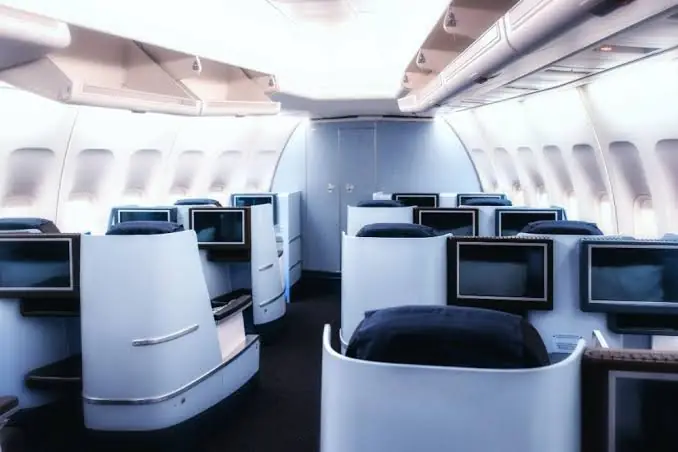
If an equipment swap occurs, the airline satisfies its contract by providing a seat in the designated cabin class, even if the hardware is an older recliner model.
Unannounced Award Devaluations
Loyalty programs reserve the right to alter award charts and redemption rates without advance notice.
Holding large balances of unallocated miles exposes capital to inflation risk. Points should be earned with specific redemptions in mind and spent promptly.
Positioning Flight Disconnections
Utilizing separate tickets to access cheap international departure points introduces connection hazards. If the initial positioning flight is delayed, the long-haul carrier may treat the passenger as a no-show.
Mitigating this risk requires building long connection layovers or overnight stops between separate tickets.
Governance, Maintenance, and Long-Term Adaptation
Maintaining a successful cost-effective travel strategy requires ongoing monitoring and periodic review.
Comprehensive Flight Planning Checklist
-
Research Phase: Compare cash fares, native point redemptions, and alliance partner award charts.
-
Verification Phase: Confirm actual aircraft hardware, seat layout, and included fare amenities.
-
Execution Phase: Book direct through operating carriers or verified transfer partners.
-
Monitoring Phase: Track schedule changes and equipment assignments leading up to departure.
Strategy Recalibration
Airline pricing models and loyalty program rules evolve constantly. Strategies that generated substantial savings in prior years lose effectiveness as carriers adjust fare codes.
Reviewing search methods periodically ensures procurement tactics adapt to current market realities.
Measurement, Tracking, and Evaluation of Acquisition Efficiency
Tracking key metrics over time provides objective data regarding the performance of travel procurement strategies.
Primary Evaluation Metrics
-
Net Cent-Per-Point Realized: Cash price minus fees, divided by total points redeemed.
-
Premium Price Multiplier: First-class fare cost divided by standard economy fare cost on the same route.
-
Hourly Comfort Cost: Total net fare differential divided by total flight time.
Sample Post-Trip Procurement Record
Documenting these metrics removes emotional bias, confirming whether an acquisition strategy delivered genuine financial value.
Common Misconceptions and Strategic Corrections
-
Myth: Clearing browser cookies yields lower first-class ticket prices.
-
Correction: Airline pricing engines rely on global distribution systems and real-time inventory buckets. They do not alter published tariffs based on localized browser cookies.
-
-
Myth: Booking flights on a specific day of the week guarantees the lowest first-class fare.
-
Correction: Fare levels fluctuate continuously based on demand, advance purchase rules, and inventory bucket availability. The booking window matters far more than the day of the week a ticket is purchased.
-
-
Myth: First-class tickets are completely non-refundable and unchangeable if purchased at a discount.
-
Correction: Discounted first-class fares (P and A codes) often feature lower change fees and higher flexibility than baseline economy tickets on major network carriers.
-
Ethical, Practical, or Contextual Considerations
Lowering travel acquisition costs must remain balanced against practical and legal realities. Exploiting technical glitches or violating airline terms of service can result in canceled tickets, confiscated loyalty balances, or permanent program bans.
Travelers should evaluate the operational complexity of their itineraries carefully. Saving money on a complex multi-ticket routing loses its value if a missed connection results in stranded travel days or lost business opportunities.
Conclusion: Analytical Precision in Premium Airfare Control
Managing front-cabin airfare costs requires treating airline seat inventory as a dynamic commodity market. Success depends on understanding tariff structures, leveraging pricing inefficiencies, and executing precise acquisition strategies for managing high first class airfare expenses.
By applying structured mental models, auditing inventory availability, and tracking procurement metrics, travelers gain complete control over their travel budget. This disciplined approach ensures front-cabin comfort is achieved with maximum financial efficiency.