Top First Class Travel Plans: Itinerary Architecture
Designing high-tier international itineraries requires a comprehensive understanding of aviation yield systems, ground transport networks, and hospitality infrastructure. Modern premium travel planning has evolved beyond simple ticket purchasing into an integrated discipline of capital allocation, biological recovery management, and risk mitigation. When executing long-distance voyages, the alignment between transit nodes, accommodation interfaces, and scheduling density determines the ultimate success of an expedition.
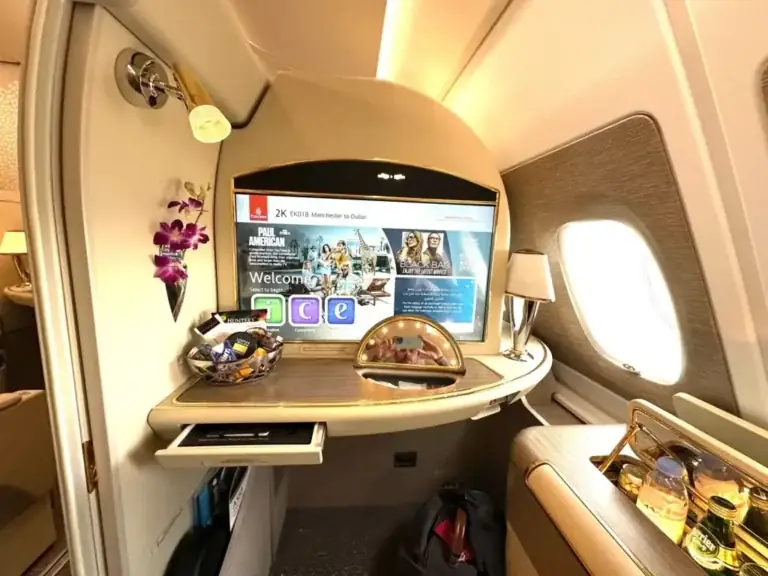
High-yield itineraries balance spatial comfort against operational friction. Commercial airlines deploy diverse cabin hardware across their networks, ranging from standard regional recliners to enclosed international first-class suites. Similarly, luxury accommodation options vary from large-scale luxury hotels to private eco-sanctuaries. A well-constructed travel itinerary integrates these distinct components into a continuous, low-friction corridor.
Evaluating high-tier itineraries demands an objective audit of every operational variable. Strategic travel planners look past marketing descriptions to inspect aircraft equipment codes, connection layover windows, private terminal capabilities, and local transport networks. This structural analysis establishes a rigorous framework for constructing resilient travel itineraries that protect financial capital while preserving biological energy during complex global travel.
Understanding “top first class travel plans”
Constructing top first class travel plans requires separating marketing claims from actual logistical performance. Within global travel systems, a high-tier travel plan represents an integrated itinerary designed to minimize physical fatigue, eliminate operational friction, and optimize total time expenditure. Achieving this standard demands a thorough analysis of spatial architecture, transit scheduling, and localized ground support.
A common analytical error involves equating high financial spend with superior travel execution. A travel plan may include expensive front-cabin tickets and luxury hotel suites, yet if connection times are too tight, transit transfers are uncoordinated, and daily schedules are overpacked, the overall travel experience degrades rapidly.
Transit Node Alignment
A primary consideration in itinerary construction is the alignment between flight schedules and ground logistics. Arriving at an international hub during peak customs processing hours can introduce significant delays, undermining the benefits of a premium flight.
Selecting flights that land during off-peak processing windows or utilizing private terminal clearance services ensures that the transition from air to ground remains seamless and efficient.
Spatial and Biological Recovery Management
Long-distance travel subjects the human body to atmospheric cabin pressure, circadian disruptions, and dehydration. A strategic travel plan treats biological recovery as a core operational requirement rather than an afterthought.
Incorporating deliberate recovery windows—such as scheduling light arrival days, selecting accommodations with full spa facilities, and securing quiet cabin environments—preserves physical health throughout long itineraries.
Contextual Background: The Evolution of Premium Itinerary Planning
Historically, high-end travel planning focused on luxury steamship voyages and grand rail journeys during the late nineteenth and early twentieth centuries. These itineraries were characterized by long travel durations, rigid schedules, and high levels of onboard service designed for elite travelers.
The advent of commercial jet aviation in the mid-twentieth century dramatically reduced travel times, enabling rapid global transit. However, early jet travel required multiple refueling stops and presented inconsistent ground service standards across different regions.
Over recent decades, global airlines adopted dynamic revenue management algorithms, unbundling services and creating distinct product tiers within front cabins. Simultaneously, private terminal operators, high-end destination management companies, and specialized luxury resorts expanded their infrastructure.
Modern itinerary planning now requires synthesizing these fragmented global systems into cohesive, low-friction travel plans. Strategic travel architects leverage digital tools and private networks to bypass public terminal congestion, secure preferred inventory, and deliver customized travel experiences worldwide.
The Shift Toward Private Ground Logistics
Ground transportation has evolved from standard taxi services into highly specialized private transfer networks. Private terminals now offer off-site TSA clearance and tarmac transfers directly to the aircraft stairs.
This evolution allows travelers to bypass commercial terminal crowds completely, setting a new standard for privacy and time efficiency.
Global Accommodation Specialization
Luxury accommodations have expanded from traditional grand city hotels into ultra-private wilderness lodges, private island estates, and boutique wellness retreats.
These specialized properties integrate private dining, dedicated butler services, and private excursion access directly into the lodging experience.
Conceptual Frameworks and Mental Models for Itinerary Optimization
Evaluating complex travel plans requires clear mental models that strip away promotional marketing.
1. The Total Transit Friction Metric (TTFM)
This framework measures total travel time lost and physical stress accumulated across the entire itinerary lifecycle.
Minimizing this value requires selecting direct flights, utilizing private airport terminals, and scheduling optimal ground transfers to reduce total journey friction.
2. The Spatial Utility Index (SUI)
This model evaluates the physical space and privacy available to the traveler during transit and lodging relative to total cost.
Applying this metric helps travelers decide between international first-class suites, private jet charters, or multi-room hotel suites based on actual spatial return on investment.
3. The Recovery-to-Transit Ratio (RTR)
This model measures the balance between active transit hours and dedicated recovery time throughout an itinerary.
Maintaining an RTR above 2.0 ensures that travelers remain physically fresh and cognitively effective during complex, multi-destination journeys.
Key Categories of High-Tier Travel Plans and Operational Trade-offs
Selecting an itinerary structure involves comparing different travel models across transit efficiency, spatial comfort, privacy level, and total financial cost.
| Itinerary Category | Primary Transit Asset | Accommodation Standard | Key Operational Benefit | Primary Constraint |
| Flagship Commercial Expeditions | International first-class suites (A380/777) | Five-star flagship hotels / Luxury suites | High spatial comfort; global hub access | Restricted by commercial flight schedules |
| Private Aviation Charters | Long-range private jets (Global/Gulfstream) | Private estates / Exclusive ranches | Total schedule autonomy; private terminals | High financial cost; positioning legs needed |
| High-Speed Rail & Air Hybrids | First-class rail paired with commercial air | Historic city-center luxury hotels | Low ground friction; city-center access | Geographic limitation to high-speed rail corridors |
| Secluded Wilderness Safaris | Private charter turboprops / Helicopters | Ultra-private eco-lodges / Tented camps | Maximum privacy; direct nature access | Variable weather; limited luggage capacity |
| Transoceanic Luxury Cruises | Boutique luxury cruise ships / Private yachts | Onboard master suites / Private cabins | Zero packing friction between destinations | Slower transit speed; fixed maritime ports |
Commercial Flagships vs. Private Charters
Commercial flagship first-class suites offer high spatial comfort, gourmet dining, and lounge access at lower costs than private charters. However, travelers remain tied to fixed airline flight schedules and commercial airport locations.
Private charters deliver complete schedule freedom, access to smaller regional airports, and private terminal clearance. The trade-off is a significantly higher out-of-pocket cash investment.
Rail-Air Hybrids in Regional Travel
Combining short flights with high-speed passenger rail works exceptionally well in densely connected regions like Western Europe or East Asia. High-speed rail delivers travelers directly into city centers, eliminating airport transfer delays.
This hybrid approach lowers total trip friction compared to short domestic flights that require long airport security processing.
Detailed Real-World Scenarios and Operational Execution

Examining real-world travel scenarios illustrates how transit choices, layover timing, and hotel logistics affect overall trip performance.
Scenario A: Transpacific Business & Wellness Journey
A corporate executive travels from San Francisco to Tokyo and Singapore for high-level meetings followed by a rest period.
-
Execution: Booking non-stop international first-class suites with private driver pickups ensures uninterrupted rest between business meetings.
-
Outcome: The seamless transition from city meetings to a private island wellness resort allows for rapid physical recovery before returning home.
Scenario B: Multi-City European Cultural Circuit
A couple plans a two-week cultural journey visiting London, Paris, and Florence.
-
Execution: Using high-speed rail between London and Paris eliminates airport security lines, while a short regional flight accesses Florence quickly.
-
Outcome: Combining rail and air transit minimizes travel fatigue while maintaining high spatial comfort throughout the trip.
Scenario C: Wilderness Safari & Coastal Recovery
A family travels to East Africa for a private wildlife safari followed by a coastal beach stay.
-
Execution: Booking private charter flights between bush airstrips avoids long ground drives over rough terrain.
-
Outcome: Private aviation transfers preserve travel energy, maximizing time spent on wildlife viewings and coastal relaxation.
Planning, Cost, and Resource Dynamics
Executing complex itineraries demands careful capital management, balancing flight costs against hotel rates and private transfer fees.
Strategic Budget Allocation Framework
| Itinerary Component | Low-Tier Baseline | High-Yield Target | Resource Allocation Impact |
| Long-Haul Aviation | Business Class ($4,000–$7,000) | First Class Suite ($10,000–$20,000+) | High: Primary spatial comfort & sleep quality |
| Accommodations | Standard Luxury Room ($800–$1,500/night) | Multi-Room Suite ($2,500–$6,000+/night) | High: Private rest space & dedicated service |
| Ground Transfers | Standard Taxi / Rideshare ($100–$200) | Private Chauffeured Limousine ($400–$1,000) | Moderate: Lowers ground friction & delay risk |
| Private Guiding | Shared Group Tours ($200–$500) | Exclusive Private Specialist ($1,000–$2,500) | Moderate: Elevates experiential quality |
Ancillary Value Recapture
Evaluating high-tier travel expenses requires factoring in built-in amenities that offset separate out-of-pocket costs.
Calculating these offset credits establishes the true cost difference between standard luxury travel and fully integrated high-tier itineraries.
Tools, Strategies, and Support Systems
Executing a high-yield travel itinerary relies on using specialized booking engines, local management agencies, and digital logistics tools.
1. Advanced Flight Tracking Platforms
Tools like Flightradar24 allow travelers and concierges to track inbound aircraft tail numbers in real time.
Monitoring aircraft movements helps anticipate potential delays early, allowing for quick adjustments to ground transfer schedules.
2. Destination Management Company (DMC) Networks
Working with local DMCs grants access to private guides, security detail, and restricted cultural sites.
These local specialists handle ground logistics in real time, resolving unexpected delays or schedule disruptions instantly.
3. Dedicated Concierge & Butler Services
Utilizing hotel butler services ensures that personal preferences—such as room temperature, pillow types, and dietary needs—are set before arrival.
Pre-arranging these details removes arrival friction, allowing travelers to rest immediately upon entering their room.
The Risk Landscape: Failure Modes and Structural Vulnerabilities
Complex international itineraries face weather delays, aircraft mechanical issues, and unexpected schedule changes.
Aircraft Substitution Risks
Airlines reserve the right to swap aircraft models for operational reasons, which can replace advertised suites with older business seats.
Monitoring seat maps regularly prior to departure allows travelers to notice equipment changes early and request alternative flights if necessary.
Connection Latency Failures
Short layovers at busy hub airports increase the risk of missed flights and delayed baggage transfers.
Scheduling connection buffers of at least two to three hours on international itineraries ensures reliable transfer execution.
Governance, Maintenance, and Long-Term Adaptation
Maintaining high itinerary performance requires periodic reviews and active schedule management throughout the trip.
Pre-Departure Verification Checklist
-
30 Days Out: Re-confirm flight schedule timings and verify valid passport and visa documentation.
-
14 Days Out: Confirm private ground driver details and communicate specific hotel arrival requirements.
-
7 Days Out: Review weather forecasts across all destination nodes and pack accordingly.
-
24 Hours Out: Complete online flight check-ins and verify priority baggage tag allocations.
Measurement, Tracking, and Evaluation of Itinerary Performance
Tracking key performance metrics objectively over time ensures itinerary planning delivers consistent comfort and efficiency.
Core Performance Indicators
-
Transit Friction Index: Total time spent processing in airport queues and transfers relative to actual flight time.
-
Schedule Execution Score: The percentage of planned activities and transfers completed without delays or cancellations.
-
Biological Recovery Rate: Subjective physical energy levels and sleep quality scores recorded throughout the trip.
Sample Post-Trip Evaluation Log
Logging trip metrics removes emotional bias, providing clear data to guide future itinerary planning choices.
Common Misconceptions and Strategic Corrections
-
Myth: Booking the most expensive hotel in every city guarantees a perfect itinerary.
-
Correction: High hotel prices do not guarantee good location or service. Independent boutique hotels often provide better service ratios and lower noise levels than large luxury properties.
-
-
Myth: Packing every day with tours and activities maximizes travel value.
-
Correction: Over-scheduling leads to travel fatigue and burnout. Building in open recovery days preserves energy and improves overall trip enjoyment.
-
-
Myth: Private jets are always faster door-to-door than commercial flights.
-
Correction: On long transoceanic routes, commercial wide-body jets fly at higher speeds and have longer ranges than light private jets, reducing overall flight time.
-
Ethical, Practical, or Contextual Considerations
Designing high-tier travel plans requires balancing personal comfort against local environmental impacts and community dynamics. Front-cabin aviation and private jet flights generate higher carbon emissions per passenger than high-density economy seating due to spatial allocation.
Choosing travel providers that invest in sustainable aviation fuels, support local conservation projects, and practice responsible tourism helps offset the environmental impact of long-distance travel.
Conclusion: Analytical Precision in Itinerary Architecture
Mastering high-yield travel planning requires viewing itineraries as integrated systems of transit, accommodation, and ground logistics. Success depends on checking equipment codes, managing biological rest, and evaluating top first class travel plans through clear, objective metrics.
By applying spatial utility models, reducing transit friction, and tracking post-trip performance, travelers can construct itineraries that deliver maximum comfort, physical renewal, and overall travel satisfaction.